
Choosing the right lawn mower can make a bigger difference than most homeowners expect. A lot of people pick something based on price or what looks good in-store, then realize later it doesn’t actually fit their yard. That’s when mowing starts to feel like a chore instead of something quick and manageable.
The truth is, not every mower works well for every yard. Your lawn size, terrain, and even how often you mow all play a role. When you match the mower to your actual needs, everything gets easier from the time it takes to cut the grass to how your lawn looks afterward.
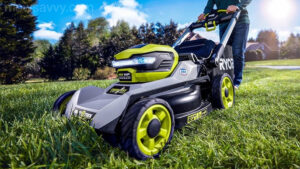
Why Yard Size Really Matters?
It sounds obvious, but yard size is where most people get it wrong.
If you’ve got a smaller yard, you don’t need anything complicated. In fact, bigger mowers can actually make things harder. Tight corners, landscaping, fences—it all becomes more annoying to work around.
On the flip side, if your yard is on the larger side, using a small push mower can wear you out fast. What should take 30–40 minutes ends up dragging into an hour or more.
From what I’ve seen, people are usually happiest when they go just slightly above what they think they need. It gives you a little breathing room, especially during peak growing season when the grass gets thick.
The Main Types of Lawn Mowers (And Who They’re For?)
There are a lot of options out there, but most fall into three main categories.
Push Mowers (Best for Small Yards)
Push mowers are about as simple as it gets. They’re great if your yard is small and fairly flat.
They’re easy to store, don’t cost much, and get the job done without much hassle. That said, they do take some effort. If your grass grows fast or gets thick, you’ll feel it by the time you’re halfway done.
Still, for smaller spaces, they’re hard to beat.
Self-Propelled Mowers (Best for Most Homes)
This is where a lot of homeowners end up—and for good reason.
Self-propelled mowers move forward on their own, so you’re not pushing all that weight yourself. You’re mostly guiding it, which makes a noticeable difference, especially if your yard isn’t perfectly flat.
From experience, this is usually the sweet spot. You get more power, less effort, and faster mowing without jumping into the cost of a riding mower.
Riding Mowers (Best for Large Yards)
If your yard is half an acre or more, a riding mower starts to make sense.
At that size, it’s less about whether you can push mow and more about whether you want to. Riding mowers save a lot of time, and honestly, they just make the whole process easier.
Yes, they cost more upfront. But if you’re mowing regularly, most people feel it’s worth it pretty quickly.
Features That Actually Matter
Cutting Width
This one affects how long you’ll be out there mowing.
A smaller deck means more passes, which is fine for tight areas. A wider deck covers more ground, which helps on open lawns.
If your yard has a mix of both, it’s usually best to find a balance instead of going too wide.
Power
This becomes important fast if your grass gets thick or grows quickly.
A mower with a bit more power won’t struggle as much, and you’ll notice the difference right away. It cuts cleaner and doesn’t bog down as easily.
In most cases, going slightly stronger than the bare minimum is a smart move.
Handling and Terrain
Not every yard is smooth and flat.
If you’ve got slopes or uneven ground, traction matters more than people think. A mower that handles well on hills will save you a lot of frustration.
This is where self-propelled models really stand out. They just make things easier.
Grass Clipping Options
Some people like to bag their clippings. Others prefer mulching.
Mulching is great if you want to return nutrients back into the soil. Bagging gives you that clean, finished look.
It really comes down to preference, but it’s worth thinking about before you buy.
Common Mistakes to Avoid
A lot of mistakes come down to rushing the decision.
Buying the cheapest option usually ends up costing more in the long run. It might work at first, but if it struggles with your yard, you’ll feel it every time you mow.
Another common issue is underestimating your lawn. Even if it doesn’t seem big, things like thick grass, slopes, or awkward layouts can make mowing more difficult than expected.
And sometimes, people go too big. A massive mower sounds great until you’re trying to store it or navigate tight corners.
What I’ve Noticed From Real Use
One thing that stands out over time is how much easier mowing becomes when you have the right equipment.
A slightly better mower doesn’t just cut grass—it saves time, reduces effort, and makes the whole process less of a hassle. That’s something most people don’t realize until after they upgrade.
If you’re trying to figure out what fits your situation, it helps to look at real comparisons and breakdowns. For example, checking out options for the best lawn mower based on yard size and usage can make the decision a lot clearer.
Final Thoughts
At the end of the day, the best lawn mower is the one that fits your yard—not just your budget.
Small yards do well with simple, lightweight mowers. Medium-sized lawns usually benefit from self-propelled models. Larger properties almost always justify something more powerful or even a riding mower.
Taking a little extra time to choose the right one pays off every time you mow. Less effort, better results, and a lawn that actually looks the way you want it to.